WRONGROOM

My adventurous projects in the world of audio-electronics.

warning : I'm a musician, NOT an electrician. What I do to my own equipment, is not necessary correct! I enjoy doing DIY stuff, and thought it was cool to put up a kind of studio tech-diary, a modding-log

Thank you for looking, and I hope you enjoy what you find here!

best, Kaada

Mar 12, 2008

yeah recapping man

damn, how important it is for musicians and studio owners to know how to recap. I honestly didn't know how much diffenence it could do. If you wanna take it further than just recapping, and are looking for a well written electicity-book, I would recommend a book called “Tab elecronics : GUIDE TO UNDERSTANDING ELECTRICITY AND ELECTRONICS”. This is the first book that I really enjoyed reading, and that finally made me understand the concept of good biasing among other things.

today, I worked on my Fender Twin. After recapping, it felt like the cleanest Fender, most beautiful amp, ever. If you're into vintage instruments and stuff, then you have to get comfortable heating that soldering iron.


and here's a pic of my recapped ol' Peavey Classic. Didn't have 200uF caps for the PSU, so I put two 100uF in parallel. The springs and the depth-tremollo in the old peaveys are extremely cool.
oh, When I record 4x10 or 4x12 cabinets, I often disconnect all but one speaker. Depends on the song off course, but generally the sound gets cleaner and easier to work on when it only comes from one speaker instead of four.

Labels: , ,

Jan 6, 2008

closed amp


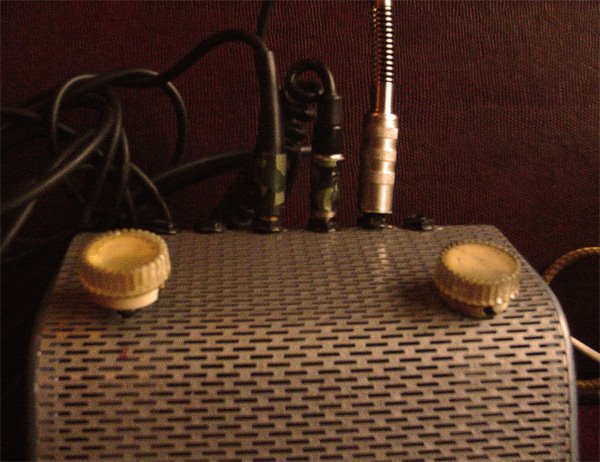
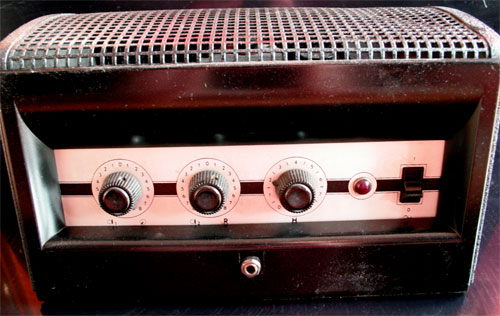
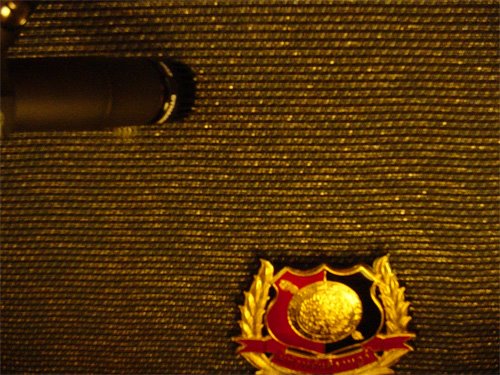
homemade versatile amp-in-a box. Runs on 9V and can be used as a FX-pedal, a re-amp box or a send/return bus, etc... The attached microphone runs on phantom power. The mic was moved around, and is mounted where I thought it sounded cool. I tried it on some brass stuff here the other day, and it sounded like an aggressive guitar. The sound of the saxophone suddenly sounded hip-

Labels:

Apr 22, 2006

DIY - NOBODY'S PERFECT

Here's my hometweaked amps. They are not exactly "glassy clean" but has nice harmonics and a blues type distortion when cranked. The high gain channel picks up from there, going into heavy overdrive. So far I like em best with 12AX7-12AT7-KT66 tubes. Sometimes they serve a surprisingly pleasing and unmistakable sound quality, and other times they sound like dust. The one on your right has 4 jack inputs. I like to use it live as a selector between fuzzy&feedy vocalmics.

Labels: ,

what sound is that - part2

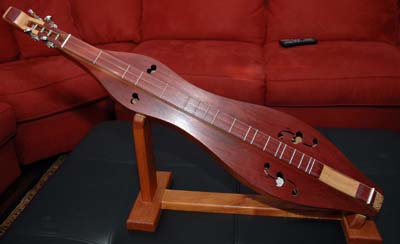
There are some accoustic stringinstruments on the album. traditional instruments, followed by other more different sounding toys, like the Dulcimers, chimedulcimer, psaltery, mandolin, el-sitar, lut, harp, lapharp, autoharp. The Norwegian Harding-fiddle is used on two songs. They were all treated with little respect of the original sound in the mix, and often taken through amps and effects.

Labels: ,

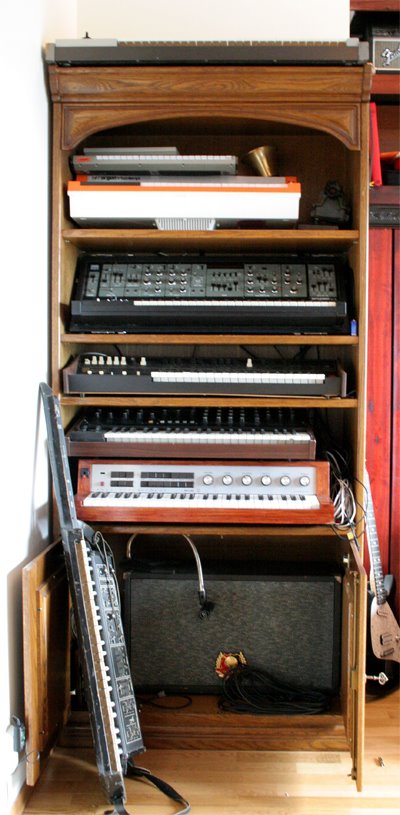
keyboard closet


I rarely record keyboards directly in to the console. They tend to sound better through a speaker. Usually a transistor amp.

An SM57 and 2X15" is always rigged up at the bottom of the closet, and all the keyboards are routed to it. Makes it fast and easy to get going, when inspiration strikes. The signal is amplified with a modded Roland Revo30 w/a DIY on/offswitch on the leslie effect. These are fantastic amps for keyboards - in the studio.(They are not usable for stage use, cause the gain is to weak)

They are all linked together with CV/trigger. Fron the top : TEISCO400, microkorg, Hitorgan, Korg SH-5, ARP solist, Korg Monopoly, Circuitbent Philicordia and a Moog liberation front.

Labels: , ,

re amping

Re-amping always ends up playing a big role in the mixing stage.. A roundtrip out of the DAW, through a colorful amp, in a nice sounding room and back, can do wonders to the sound. Not only have you gotten a more characteristic sound, but it will probably be easier to place in the mix afterwards, either alone, or blended together with the original track. I might re-amp anything from the reverb-bus, drums, strings etc. And you can re-amp a sound many times also. There are no rules.

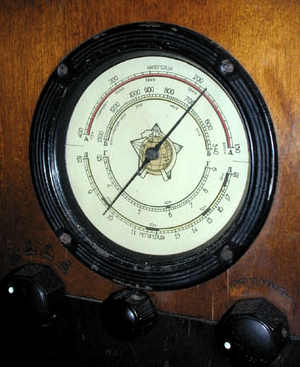
I have a few favorite speakers that I know pretty well, and that I can mic up if a special characteristic is needed. On the “music for Moviebikers” album, I used an old gramophone speaker to help the melodyinstruments stand out. I might have gotten a similar result by adding some top, and make a distortion-bus, but not as lively.

When I use softwaresynths, they are often routed to an outboard effect while recording. I’m a little freaked out by the thought that thousands of musicians sit with the same samples, and the same software as me. That’s one of the reasons why I need to put some extra energy into making the sounds “mine”.

When you're re-amping (taking your sound through an external speaker) try to put a D.I. box the wrong way before the amp. Take the signal in the opposite direction through the output first. Sometimes it makes the amp sound better.

Labels:

treat sounds with amps

To get an old-organic sound , I often find myself running tracks out and through a speaker. (re-amping)

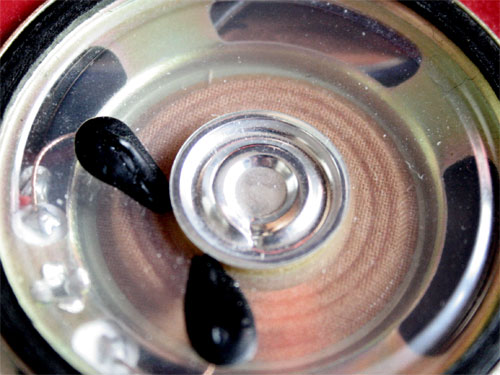
Instead of turning up top with EQ use a small speaker with a thin sound and blend it in through a separate track.
Like this old philips speaker can driven and recorded to a separate track - to inject some distorted high-end

Labels: ,

amp setup


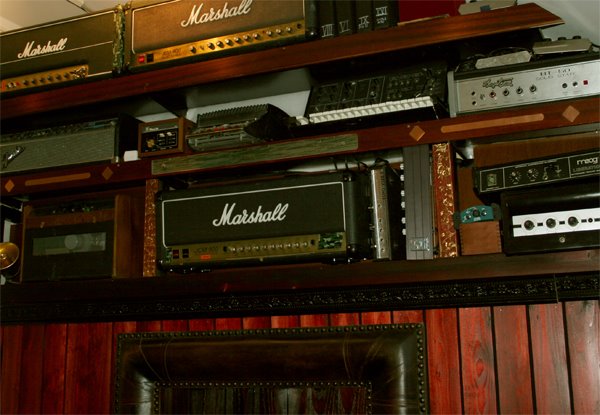
Five amp-heads are set up and are ready to go. They are patched to cabinets in isolated rooms. This makes it easy and fast to switch ampsound. A JD-7 is put up if I need to combine different amps.

Labels: